
Wet Room Safety Flooring
Luxury Fitted Bathrooms
Family Bathroom – Bathroom Renovation – Walk-In Shower – Wet Room – Disabled Bathrooms – Ensuite Bathroom – Bathroom Remodel
Family Bathroom – Bathroom Renovation – Walk-In Shower – Wet Room – Disabled Bathrooms – Ensuite Bathroom – Bathroom Remodel
Safety flooring for wet rooms is an essential element in creating a secure and comfortable bathroom environment. This specialised flooring is designed with an anti-slip surface to reduce the risk of accidents in areas that frequently come into contact with water. In addition to its safety features, it is also highly durable and easy to maintain, making it a practical choice for wet rooms. Moreover, modern safety flooring options come in a variety of designs and finishes, seamlessly blending utility and aesthetics.
The importance of safety flooring in wet rooms cannot be overstated. It’s a vital asset in reducing the likelihood of slips and falls, which are the leading causes of injuries in the home. The surface’s grip provides stability even when the floor is wet or soapy, giving users a sense of security and freedom to move around without fear. Additionally, this flooring type is highly resistant to water damage, mold, and mildew – common issues in wet rooms. By investing in safety flooring, not only do homeowners ensure their wet room is safer, but they also improve the longevity and quality of their space, thereby enhancing the overall home environment.
Different Types of Safety Flooring Suitable for Wet Rooms
Slip-Resistant Tiles:
These are a particularly popular choice for wet room flooring due to their excellent grip and wide variety of styles. They are manufactured with a textured surface that increases traction, even when wet. Available in ceramic, porcelain, stone, and other materials, slip-resistant tiles can be chosen to match any decor. Additionally, these tiles are often rated using the ‘R’ system, from R9 (lowest slip resistance) to R13 (highest slip resistance), allowing you to choose the level of slip resistance that best fits your needs. Remember, wet rooms often require tiles with a higher ‘R’ rating for optimal safety.
Vinyl Flooring:
Another excellent choice for safety flooring in wet rooms is vinyl. Because of its water-resistant properties, it is particularly suitable for areas with high moisture levels. Vinyl flooring is not only resistant to water but also provides an excellent barrier against mold and mildew, adding to its durability. In addition, vinyl flooring offers a soft and warm touch underfoot, enhancing comfort. Like slip-resistant tiles, it also offers impressive slip resistance, due to its textured surface. Plus, it comes in a wide range of designs and finishes, from natural-looking wood and stone effects to more contemporary styles, making it a versatile option that can complement any bathroom decor.
Rubber Flooring:
Rubber is another popular choice for safety flooring in wet rooms. This material is recognized for its superior slip-resistant qualities, making it highly effective in reducing the risk of accidents in wet environments. The textured surface of rubber flooring provides excellent traction, even in damp conditions. Moreover, rubber is naturally water-resistant and resilient to mold and mildew, contributing to its durability and longevity. It’s also relatively easy to install and clean, adding to its appeal. One of the distinctive features of rubber flooring is its cushioning effect, providing a comfortable underfoot experience and reducing the impact in case of falls. While traditionally available in more utilitarian designs, recent advancements have introduced rubber flooring options in a variety of colors and patterns, enabling homeowners to blend safety with style.
Start Your Bathroom Transformation Today
Factors to Consider When Choosing Safety Flooring for Wet Rooms
Slip Resistance:
One of the most critical factors to consider when choosing safety flooring for wet rooms is the slip resistance level. Different flooring materials offer varying degrees of slip resistance, rated using the ‘R’ system, as mentioned earlier. It is essential to choose a material with a high ‘R’ rating, particularly for wet rooms, due to the increased risk of slipping in these environments. Besides the ‘R’ rating, the floor’s texture also plays a significant role in improving traction. Textured surfaces, whether from natural stone, ceramic, rubber, or vinyl, can provide additional traction, further minimizing the risk of slipping. When selecting a flooring material, it’s also crucial to consider the specific conditions of your wet room – for example, if it’s heavily used or if there are elderly or children in the house, opting for a floor with the highest slip resistance would be wise.
Water Resistance:
Water resistance is another key factor to take into account when choosing safety flooring for a wet room. Given the nature of a wet room, the flooring material should be capable of withstanding high moisture levels without undergoing structural damage or degradation. Materials such as vinyl and rubber excel in this regard due to their natural water-resistant properties.
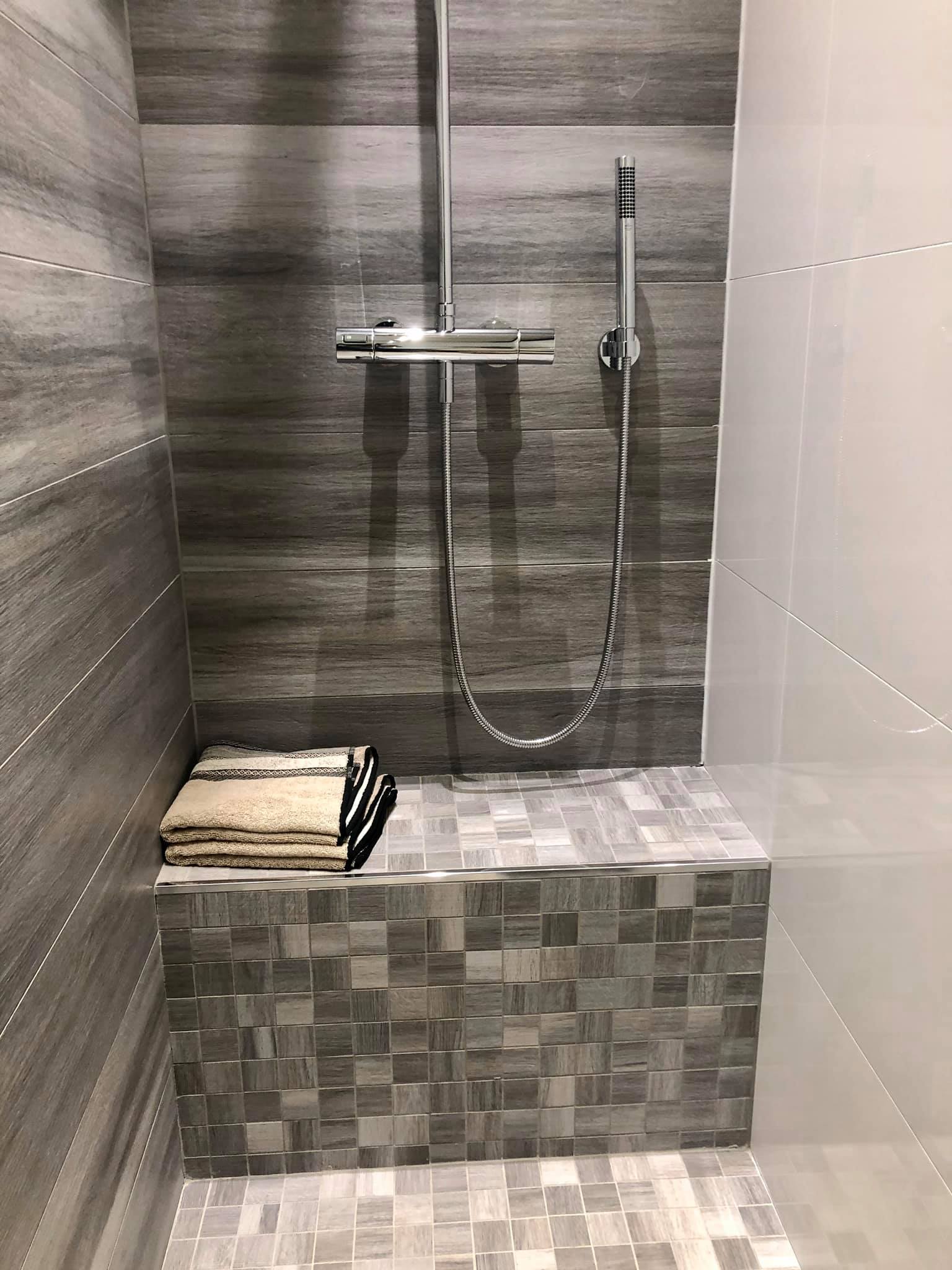
They effectively prevent water penetration, reducing the likelihood of mold and mildew development, common issues in damp environments. Certain types of tiles, especially those made of porcelain and glazed ceramic, also offer excellent water resistance. However, it is critical to ensure that the tiles are properly sealed to maintain this resistance. Ultimately, water-resistant flooring contributes to the longevity of the wet room, reducing maintenance needs and costs over time.
Durability:
Durability is an essential aspect to consider when selecting safety flooring for a wet room. A high-traffic area like a wet room demands flooring that can withstand daily wear and tear without losing its functional and aesthetic properties. Rubber and vinyl flooring are highly durable options, resisting not only water but also stains, scratches, and dents. Similarly, slip-resistant tiles made from materials like ceramic and porcelain are known for their longevity, provided they are installed and maintained correctly. Another crucial part of durability is the flooring’s resistance to mold and mildew—key considerations in wet environments—which again points to the suitability of rubber, vinyl, and well-sealed tiles. In summary, investing in durable flooring means less frequent replacements and repairs, translating into long-term savings.
Aesthetics:
While functionality and safety are paramount when selecting flooring for a wet room, aesthetics should not be overlooked. The flooring you choose significantly influences the overall look and feel of the wet room. Fortunately, many safe and durable flooring options also offer great design flexibility. Slip-resistant tiles come in a vast array of colors, patterns, and finishes, allowing for a high degree of customization to match your decor preferences. Similarly, modern vinyl flooring provides a multitude of design choices, ranging from realistic wood and stone effects to more contemporary styles. Rubber flooring, traditionally more utilitarian in appearance, has also evolved to offer a variety of colours and patterns. When choosing your flooring, consider how the design will complement the overall decor of the wet room and reflect your personal style. Remember, a well-designed wet room can enhance the aesthetic appeal of your entire home, further adding to its value.
Wet Room Flooring For Disabled:
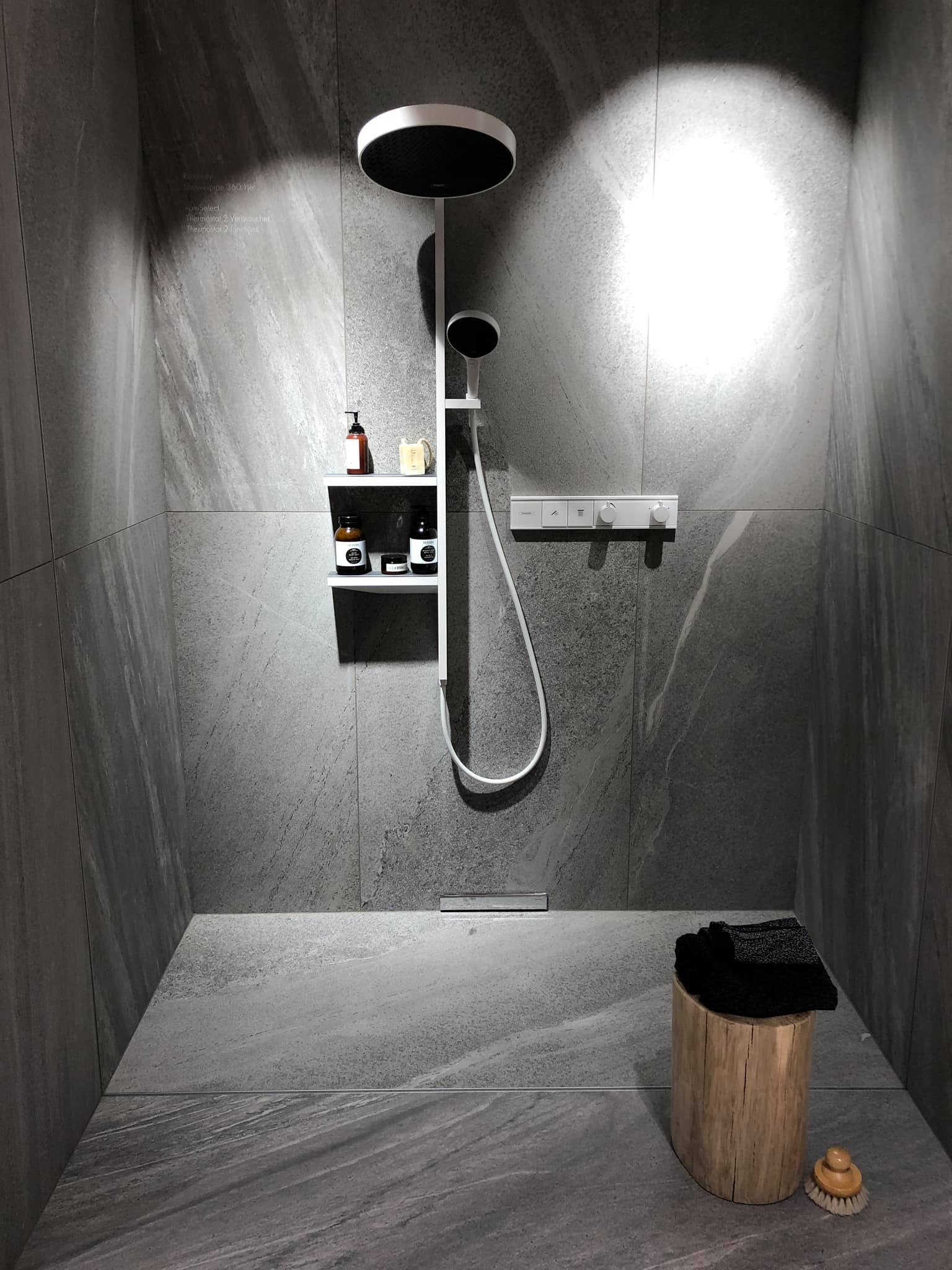
When designing a wet room for disabled individuals, the focus on safety becomes even more prominent. The choice of flooring should not only cater to the general parameters of slip resistance, water resistance, and durability but also specifically address the needs of mobility-challenged individuals. For this user group, extra grip and ease of movement across the floor surface are crucial considerations. Rubber flooring is often a top choice due to its non-slip surface, softness underfoot, and the cushioning effect it offers in case of falls. Its versatility in design also allows for the demarcation of different areas within the wet room, aiding in navigation. Vinyl flooring is another excellent option, as it combines high slip resistance with smoothness, facilitating the movement of wheelchairs. Additionally, it’s available in a variety of designs to suit individual aesthetic preferences. When choosing safety flooring for a disabled-access wet room, it’s crucial to seek professional advice to ensure all specific requirements are sufficiently met.
Installation and Maintenance of Safety Flooring in Wet Rooms:
Installation:
The installation process of safety flooring largely depends on the type of material chosen. Tiles, for instance, require a precise and methodical approach. They need to be laid out, cut to fit the room, then adhered using a suitable adhesive, and finally, the joints should be sealed with grout. Vinyl and rubber flooring often come in rolls or tiles and can be glued down to the floor. Some varieties also offer an interlocking system, which simplifies the installation process. Regardless of the material, it is generally recommended to seek professional installation to ensure the flooring is correctly laid and sealed, thus maximising its lifespan and effectiveness.
Maintenance:
Maintenance is equally as important as installation for keeping your wet room safe and aesthetically appealing. Regular cleaning using non-abrasive cleaners can keep the floor free from dirt and potential slip hazards. For tile flooring, periodic resealing may be required to maintain water resistance. Rubber and vinyl floors, while being relatively low-maintenance, should be regularly inspected for any signs of wear or damage, and any issues should be
addressed promptly to prevent further deterioration. Remember, a well-maintained floor not only lasts longer but also performs better, providing a safe and comfortable environment in your wet room.
The Impact of Safety Flooring on Overall Wet Room Safety:
The impact of safety flooring on the overall safety of a wet room cannot be overstated. An appropriately chosen and well-maintained floor can significantly reduce the risk of accidents, primarily slips and falls, that are common in such environments. Flooring with a high ‘R’ rating ensures excellent slip resistance, even when wet, thereby offering superior protection to users. Moreover, water-resistant flooring materials prevent the growth of mold and mildew, which, apart from causing potential health issues, can also render the surface slippery over time. Additionally, durable flooring stands up to heavy use without its safety features wearing away, ensuring sustained protection over time. Furthermore, aesthetic appeal contributes to a sense of comfort and wellbeing, enhancing the user experience of the wet room. Hence, by prioritizing safety in flooring choice, we not only make the wet room safer but also more comfortable and user-friendly, significantly improving the overall quality of life.
Call us now at Blue 4 You Bathrooms for a free quote and design consultation
Start Your Bathroom Transformation Today
Contact Us
Would you like to upgrade your old and tired bathroom into a luxury space that you and your family can enjoy?
Premium Bathrooms of Hull
Open Office Hours
Mondays – Fridays: 8 AM – 6 PM
Saturdays: 10 AM – 4 PM
Sundays: Closed
Get in Touch
Hullbathroomfitters.co.uk.co.uk
01623-xxxxx
Prefer to write to us? No problem. You can send us an. We aim to respond to all emails within 24 hours.
[email protected]